


A pricing mechanism that accounts for the many parts that pumped-hydro energy storage plays could well turn out to be the game changer.
Despite obvious advantages such as continuous power generation from 6 to 10 hours, high ramping capability, and a lifespan of 40 to 60 years, the growth of PHES in India has been tepid so far. The Central Electricity Authority has estimated a PHES potential of 96 GW in India, of which only 3.3 GW is currently operational. This slow pace can be attributed to the high cost associated with the commissioning of PHES plants, the long gestation period (due to delays in obtaining environmental clearances), and the poor recovery from the existing pricing mechanism of PHES.
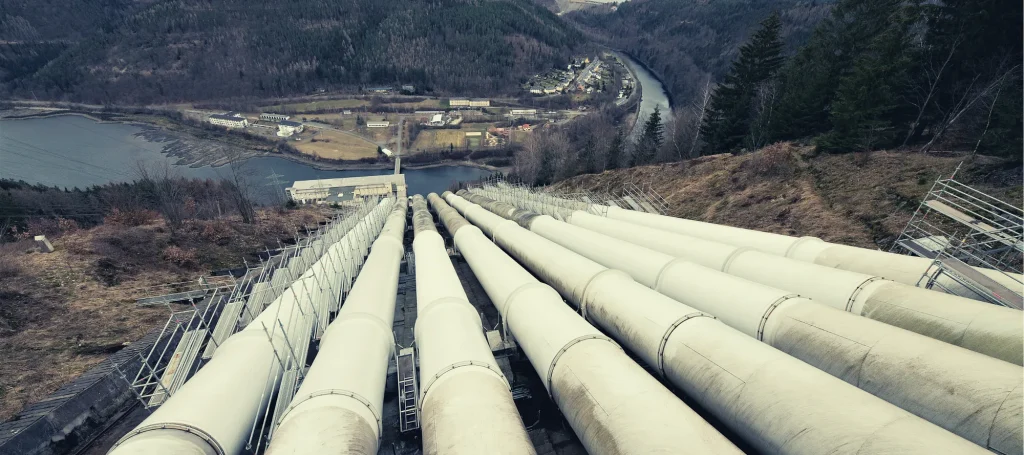
Our report recommends a differential pricing mechanism for PHES during its pumping and generating mode (or peak and off-peak operation). The study recommends that profit generation from the differential pricing mechanism should be used for fixed-cost recovery. It also suggests that the pricing mechanism should be developed for specific use cases, such as peak-load shaving and RE smoothing, while illustrating the pricing mechanism for Tehri PHES in Uttarakhand and Pinnapuram PHES in Andhra Pradesh.

In our previous blog in the Measuring the Microns series, we briefly...

In this blog series titled Measuring the Microns, we examine why greater...

India’s transition to a cleaner power system has moved from a supply...

In the first blog in ‘The AI shift’ series, we examined what...
With growing electricity demand, renewable energy penetration, and storage requirements, Indian distribution...

In the first blog in ‘The AI shift’ series, we looked into...