


Recent tensions around the Strait of Hormuz and the ongoing effects of the Russia–Ukraine war have sharply highlighted India’s import dependence, particularly for crude oil (89%) and liquefied petroleum gas (LPG; 60%). In April 2026, aviation turbine fuel prices briefly crossed INR 2 lakh per kilolitre, prompting the Union Cabinet to approve an INR 10,000-crore price stabilisation fund for scheduled Indian airlines.
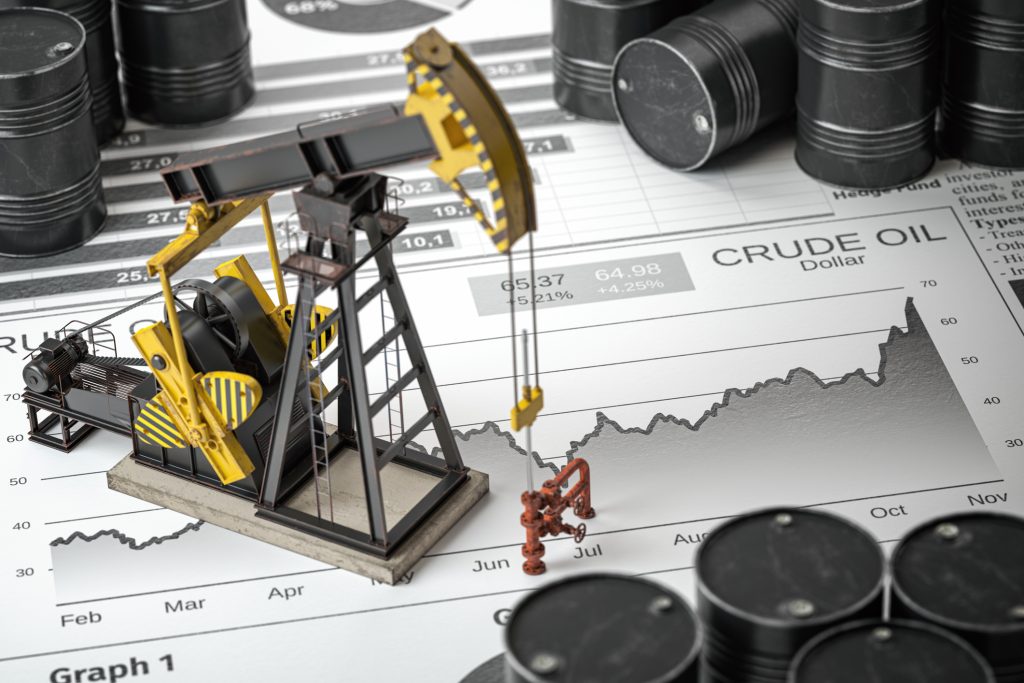
LPG prices have also come under pressure: while domestic consumers have been cushioned through subsidies and government intervention, commercial LPG prices have risen by more than INR 200. A geopolitical concern quickly triggered domestic economic stress. These events have shown the need to move beyond energy security to energy resilience—a system that can absorb shocks and continue functioning under pressure.
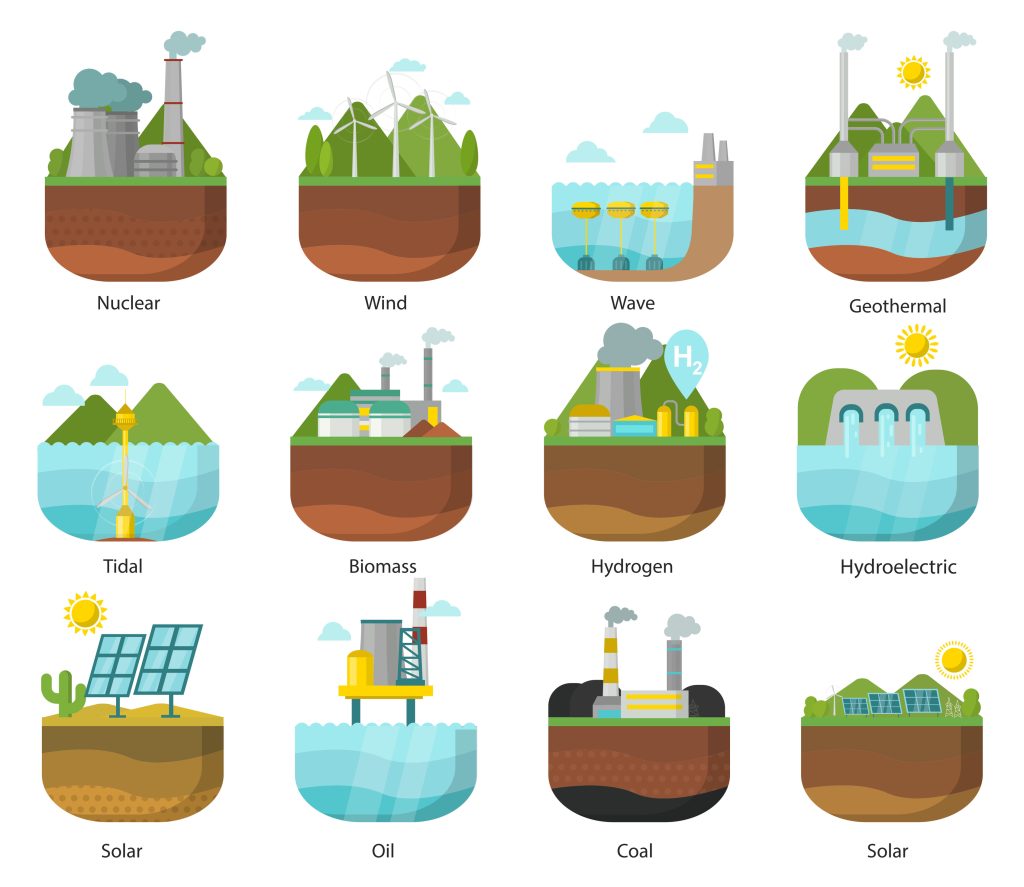
To understand how the system performs under stress, we must assess how power sources are utilised at both the macro (utility-scale) and micro (decentralised) levels.
Renewable energy deployment in India has expanded rapidly, with the country ranking third globally by capacity, and growth is set to continue in the coming years. However, the uneven distribution of these resources affects access to clean energy across regions.
The central, western, and southern regions have the highest solar potential, driven by high solar irradiance and land availability. India’s total onshore wind potential extends from Rajasthan’s Thar Desert through peninsular India, with Gujarat and Tamil Nadu leading in installed capacity. Notably, investment in both large-scale centralised and decentralised solar energy systems has enabled reliable power to be transmitted beyond state boundaries through the inter-state transmission system and green energy corridors. This allows the redirection of surplus renewable energy (both solar and wind) to deficit regions, an important step towards achieving energy resilience.
Small hydropower projects are emerging as a complementary solution to improve local electricity supply where solar and wind potential is limited, especially in northeast India. Arunachal Pradesh alone holds nearly 40% of India’s total hydropower potential and is among the areas likely to see considerable hydropower development in the future. In states such as Himachal Pradesh and Uttarakhand, run-of-river projects, which utilise the river’s natural flow rather than large storage dams, are increasingly used to balance the grid. While hydropower remains a mainstay in the country’s overall energy mix and helps maintain system stability, hydro output varies seasonally with monsoon-driven river flows, making energy storage essential.
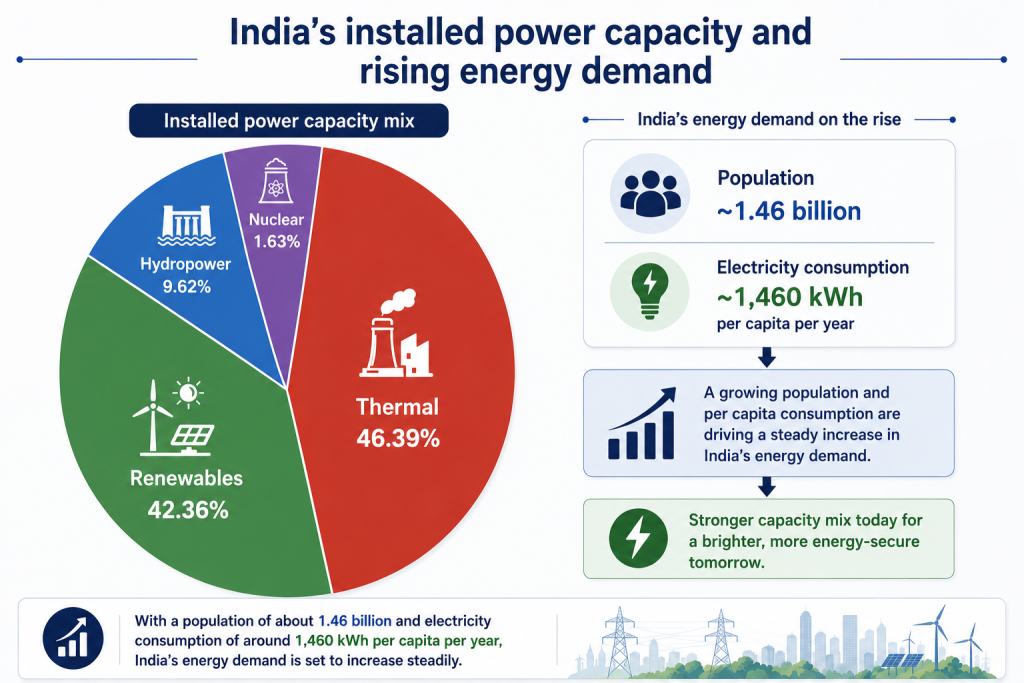
Ensuring a reliable power supply continues to depend on conventional sources, including nuclear energy and coal-based thermal power. Nuclear capacity is set to rise from 8.88 GW to over 100 GW by 2047 and is key to bridging the gap caused by renewable intermittency. Private-sector participation in nuclear energy is now permitted through legislation. In this context, small modular reactors are emerging as a viable pathway due to their lower capital requirements, ease of deployment, and transportability.
Coal-based thermal power meets nearly half of the country’s energy needs despite its environmental costs. States such as Jharkhand, Chhattisgarh, Odisha, and West Bengal provide baseload power to the country. In line with sustainable development, the aim is to utilise energy efficiently to meet current energy needs while steadily transitioning to cleaner energy sources, reducing emissions and ensuring the responsible use of finite reserves. Meanwhile, policymakers are developing just transition frameworks for heavily coal-dependent states to ensure sustainable access to energy in the long term.
Waste-to-energy solutions play a crucial role in the green transition. Despite India’s vast biomass resources, waste-to-energy plants account for only about 0.16% of its installed power capacity. Agricultural waste, traditionally disposed of by burning, can be used as a fuel. Using waste for energy production not only promotes circularity but also reduces pollution and supports a lifecycle approach to energy generation.
Under the Ministry of Power’s coal co-firing mandate for thermal power plants across the country, 71 thermal power plants have adopted biomass co-firing. In Punjab and Haryana, paddy straw is being used for co-firing with coal, with a target to increase its replacement rate from 20% to 50% by 2028.
Partially substituting petrol with domestically produced ethanol can help reduce dependence on oil imports over the long term. Ethanol blending at the national level has grown nearly fourfold, from 5% in 2019–20 to nearly 20% in 2024–25. The government has further proposed increasing the blending target in phases to 25%, 27%, and 30%. In this context, geographically diverse production pathways have emerged. Uttar Pradesh and Maharashtra use sugarcane waste to produce ethanol, while Assam is a hub for bamboo-based bioethanol.
Industrial waste heat recovery, a useful pathway for improving energy efficiency in energy-intensive sectors, has been deployed in the cement, iron and steel, and chemical and petrochemical industries, with support from the Bureau of Energy Efficiency.
Turning to the micro level, decentralised energy systems can address some of the challenges associated with centralised systems, particularly transmission and distribution (T&D) losses that arise when power generation stations are located far from consumption centres. Under the PM Surya Ghar scheme, as of June 2026, more than 42 lakh households have adopted rooftop solar, reducing dependence on central supply. With an estimated 10,000 MW of rooftop solar capacity operating during daytime hours, T&D losses have reportedly declined by nearly 2% annually.
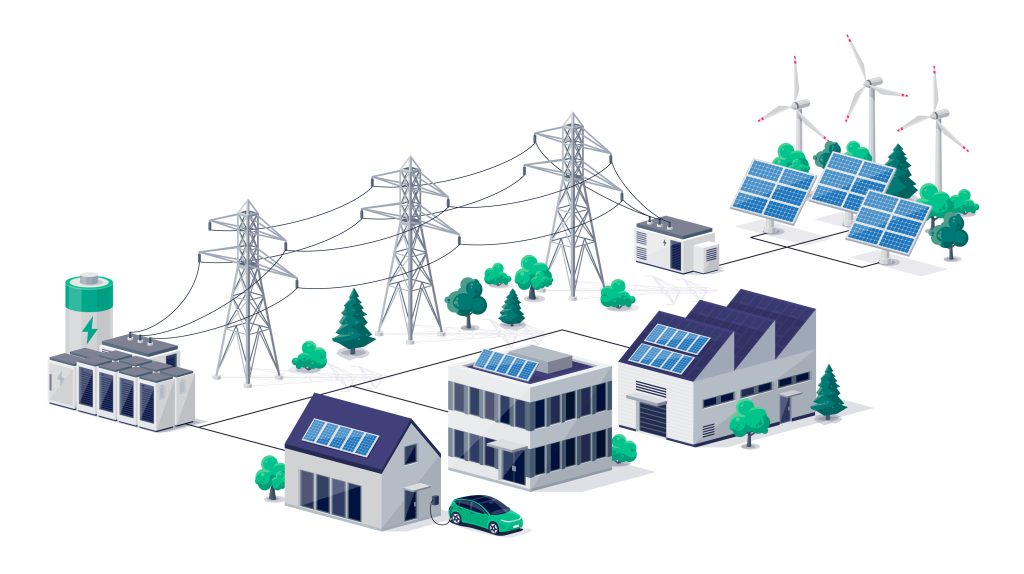
Under the PM Surya Ghar scheme, as of June 2026, more than 42 lakh households have adopted rooftop solar, reducing dependence on central supply.
In rural areas, the PM-KUSUM scheme has enabled the installation of more than 11 lakh standalone solar agricultural pumps and the solarisation of more than 35 lakh grid-connected agricultural pumps (including feeder-level solarisation) as of June 2026. Assuming a diesel consumption of 4.6 litres per day, the Ministry of New and Renewable Energy estimates that farmers could save up to INR 60,000 annually in 2025 through reduced fuel expenditure.
Decentralised projects can thus improve grid efficiency and resilience, lower transmission and generation costs, reduce CO₂ emissions, and empower consumers by enabling them to participate in energy production. However, adoption remains uneven across regions. Many communities still face challenges, including information gaps, financing constraints, and limited local support. Community participation is crucial for decentralised energy systems to grow. People must be informed of their benefits, be involved in decision-making, and receive implementation support.
New technologies are opening additional pathways to energy resilience. The accelerating adoption of sodium-ion batteries could significantly reduce reliance on imported lithium, a trend particularly relevant to electric vehicle manufacturing. Moreover, as renewable energy capacity grows, solutions such as battery energy storage systems and pumped hydro storage play a critical role in maintaining system stability. Meanwhile, green hydrogen can be a game-changer for heavy transport and the marine industries. Though still in its early stages, it holds strong economic and environmental potential, as reflected in the government’s significant investment and the creation of the National Green Hydrogen Mission.
India’s energy sector thus reveals both significant progress and the road ahead in building long-term energy resilience. Recent global events, such as tensions affecting the Strait of Hormuz, have further emphasised the need for energy systems capable of withstanding shocks, whether geopolitical, economic, or climatic, to ensure stability at all levels.
The recent fuel and LPG price spikes are a reminder that disruptions far beyond India’s borders can quickly affect households, industries, and the broader economy. A more diversified and regionally balanced energy system can help cushion such shocks while reducing dependence on volatile international markets. Moreover, awareness campaigns and community-led initiatives can act as catalysts, ensuring that resilience is not just built but sustained. Together, these efforts reflect a vision of Atmanirbhar Bharat that goes beyond self-reliance to encompass strategic resilience. India’s geographical diversity is not a constraint; it is its greatest strength.
Diversify Local. Strengthen National.
India’s transition to a cleaner power system has moved from a supply...

In the first blog in ‘The AI shift’ series, we examined what...
With growing electricity demand, renewable energy penetration, and storage requirements, Indian distribution...

In the first blog in ‘The AI shift’ series, we looked into...
Following our photo essay from the field, this blog looks at the...

In this three-part blog series titled ‘The AI shift’, I examine how...