
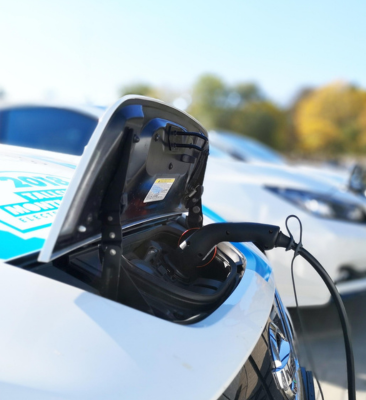
The answer lies in the difference between the dependencies: Conventional vehicles are built in India but run on imported fuel, whereas EVs rely on imported components but run on domestically generated electricity.
Having said this, India must act now on the underlying structural gaps to avoid falling into a new dependency trap. Recycling needs immediate attention because the current Battery management rules lack strong enforcement and collection infrastructure. Expanding manufacturing requires sustained PLI support and patient private investments. Indigenous battery chemistries and technologies need stronger university and industry partnerships and public research funding. Skill development must begin now to prepare a workforce for jobs that will become available 2040. The fuel crisis is a warning. Whether India treats this as an emergency or an opportunity depends on the actions it takes in the next five years.
Click here to read more
More about publication |
|
|---|---|
| Date | 20 June 2026 |
| Type | Op-eds/Interviews/Press Releases |
| Contributors | |
| Publisher | The Wire |
| Related areas | |
Get in touch with us at
cpe@cstep.in