
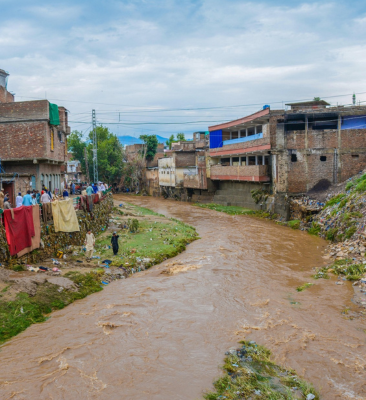
India is not alone in this reckoning. In the recent past, Nepal’s capital was drenched by relentless rain, Europe baked under a heatwave that pushed temperatures over 40°C and triggered wildfires from southern France to Greece, and over a hundred million Americans sweltered under heat alerts in South Dakota. These are geographically disconnected incidents but symptoms of one condition: infrastructure built for a stable climate is being tested by a variable, uncertain climate. This is the central insight of resilience science, which we can no longer ignore. Our spatial, social, and ecological systems, including roads, power grids, and drainage, are not isolated assets but complex, adaptive parts that influence each other’s behaviour. A blocked drain floods a substation, triggering a blackout that ripples far beyond the street – seemingly small disruptions cascading into large ones.
India also needs an independent body with authority to audit major infrastructure projects against resilience criteria before public money is committed. Paired with parametric insurance (payment agreements on the occurrence of a covered event that meets or exceeds a pre-defined intensity threshold) and risk-pooling mechanisms for states and municipalities, recovery financing could arrive within days of a verified disaster.
Click here to read more
More about publication |
|
|---|---|
| Date | 23 July 2026 |
| Type | Op-eds/Interviews/Press Releases |
| Contributor | |
| Publisher | Deccan Herald |
| Related areas | |
Get in touch with us at
cpe@cstep.in