


Governments around the world, including India, are battling the global pandemic — COVID-19. Amid this, let us not forget that it is summer, and according to the seasonal outlook of the Indian Meteorological Department (IMD), the months of May and June are likely to be hotter than usual in the northwest, central, western, and western and eastern peninsular regions, with temperatures likely to remain 0.5–1.0 degree Celsius above normal. It is also the time when cyclones occur, and the country is experiencing one now — Cyclone Amphan. According to IMD, cyclones in the Bay of Bengal and Arabian Sea have risen by nearly 11% in the last decade and by about 32% in the last five years. This sharp increase in cyclones in the recent years could be an indication of the devastating effects of global warming.
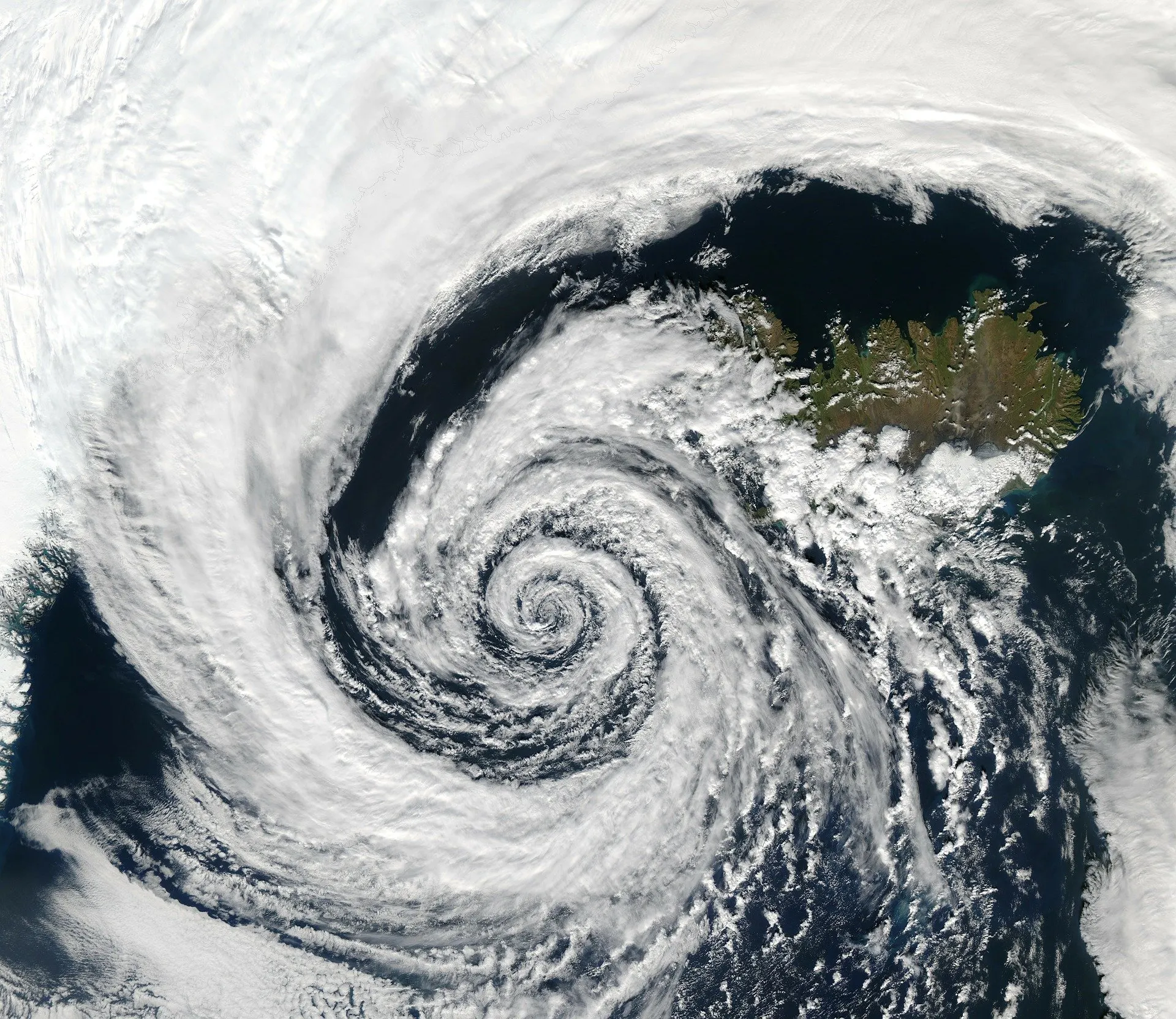
With India experiencing a scorching summer with heat waves, and cyclones in an already panic-stricken country that is under lockdown, the crisis at hand is two-fold. Addressing climate crisis is particularly challenging at this time, as disaster management strategies in the face of flood or cyclonic storms include mass evacuation and sheltering of people in places, almost always in large numbers. Similarly, with people under lockdown, in the event of a heat wave, the poor living in small crowded homes are at risk, with inadequate ventilation and no choice to step out into the open.
COVID-19 is glaringly revealing the vulnerability of the systems we rely on. Paradoxically, factors that increase vulnerability to COVID-19 are also the ones that enhance vulnerability to climate change, such as income inequity, inappropriate and inadequate housing, employment type, age, and existing health conditions. This is a cause of concern, as both the crises impact the most vulnerable — the homeless,
migrants, poor, the marginalised — who already have low or no access to food, housing, healthcare, water and sanitation.
With climate crises occurring in the midst of the COVID-19 pandemic, the need to act fast to ensure the safety of people has never been more critical. Due to lockdown and social distancing norms being enforced, time-sensitive decisionmaking and support to communities is likely to be hampered. There is, therefore, a need to rely more on approaches that disseminate early warnings at the community level, and greater use of mass communication tools, including public address systems. In case of a major disaster, under current conditions, humanitarian response is likely to be impeded and, therefore, there is need to rely on remote sensing analysis, and less on direct assessments to calculate humanitarian needs. Greater localisation of preparedness and response efforts is the need of the hour. Disaster preparedness requires a suite of precautionary measures to reduce potential losses. Among them, planning, training and stocking of supplies and equipment are important, and under the current circumstances very critical, given there could be delays and challenges in handling the dual crises.
In the event of a cyclone, delayed evacuation in order to minimise the time spent in shelters may have to be resorted to. Further, cyclone shelters will have to enforce social distancing, which creates a need to augment capacity of personnel managing these shelters. Alternative shelters will have to be identified to reduce the density of people in existing shelters.
In the event of a heat wave, arrangements to minimise the burden on government hospitals that are treating patients with COVID-19 infections, by treatment of people at Primary Health Care centres, wherever possible, could be explored. The plan being rolled out by Odisha State Disaster Management Authority is worth mentioning here.
– The Odisha State Disaster Management Authority has urged district administrations to put in place standard operating procedures for the heat action plan 2020 stressing that “the natural hazard may compound the challenge in containing COVID-19”.
The Authority has also alerted district collectors, Panchayati Raj and the housing department to take steps to prevent possible outbreaks of waterborne diseases in the pre-monsoon and summer period.
Odisha has demonstrated that the intellectual infrastructure evolved from managing one disaster (Cyclone Fani in 2019) could be applied to another of a similar kind or a pandemic.
The twin challenges of health and climate underpin the need for global-to-local response and long-term strategies that are guided by science, and the goal to protect the most vulnerable. This begins with understanding the differences and similarities between the two crises.
Similarities: Both the pandemic and climate crises are risk multipliers. They both highlight as well as exacerbate vulnerability. They are also regressive in that they impact more the already vulnerable populations. Further, both have adverse socioeconomic and financial impacts.
Differences: While pandemic risks are discrete and discernible, climate risks are cumulative and distributed over time.
The current pandemic has highlighted the importance of disaster risk reduction and preparedness, as opposed to disaster management. Never before has the need for risk analysis and resilience building in systems been as critical as today with countries
reeling not just from the pandemic, but also economic turmoil, food insecurity, and the threat of climate change-induced disasters.
Responding to these crises require systemic changes such as addressing economic inequities, improving and expanding access to healthcare, enforcing community action and preparedness, and improving ecological resilience in the long run. However, the immediate focus should be on early action, smart planning and allocation of substantial resources, to avoid complete collapse of systems.
The author is Principal Research Scientist at the Center for Study of Science, Technology and Policy, Bengaluru (@CSTEP_India), one of India’s leading research-based think tanks. Contact: Indu K Murthy(indukmurthy@cstep.in, Twitter: @indukmurthy)
India’s transition to a cleaner power system has moved from a supply...

In the first blog in ‘The AI shift’ series, we examined what...
With growing electricity demand, renewable energy penetration, and storage requirements, Indian distribution...

In the first blog in ‘The AI shift’ series, we looked into...
Following our photo essay from the field, this blog looks at the...

In this three-part blog series titled ‘The AI shift’, I examine how...