


India’s transition to a cleaner power system has moved from a supply problem to a systems problem. The challenge is now to build the architecture that can make its growing clean energy capacity work.
Non-fossil sources crossed 50% of India’s installed electricity capacity in June 2025, five years ahead of its Paris Agreement commitment.¹ In FY 2025–26, India added a record 55.3 GW of non-fossil capacity.² The capacity question has been answered.
Yet, DISCOMs face financial challenges, and the grid strains under a generation mix it was not designed for. The question now is whether the systems delivering clean energy to homes, factories, and farms can handle it.
CSTEP’s Clean Energy Conclave, on 5 and 6 October 2026 in New Delhi, will bring together practitioners, policymakers, and researchers to work through these challenges. Its interdisciplinary approach will explore how decisions across transmission, storage, regulation, DISCOMs, finance, and technology must work together to build a reliable, affordable, clean power system.
The sessions at the Clean Energy Conclave are therefore not separate conversations, but facets of the same underlying challenge: how does India build the integrated system—across grid architecture, storage, distribution, markets, regulation, finance, and technology—that allows its renewable energy capacity to actually deliver?
The opening plenary, The Next 500 GW: What Will It Take?, will set the frame for the Conclave. With near-term capacity targets largely met, the harder question is what a credible pathway to a low-carbon grid by 2047 looks like, and what needs to happen in the next five years to stay on track.
A key part of this is coal’s changing role. As renewable capacity scales, thermal power is expected to shift from continuous baseload generation towards providing backup and flexibility when renewable output is low. Managing this transition—technically, financially, and institutionally—will shape India’s decarbonisation pathway.
The panel will examine the market, tariff, emissions, and operational reforms needed to support this transition, bringing together perspectives from energy economics, project development, and climate finance. The discussion will bring these interconnected perspectives together to consider the decisions needed now to shape India’s power system through 2047.
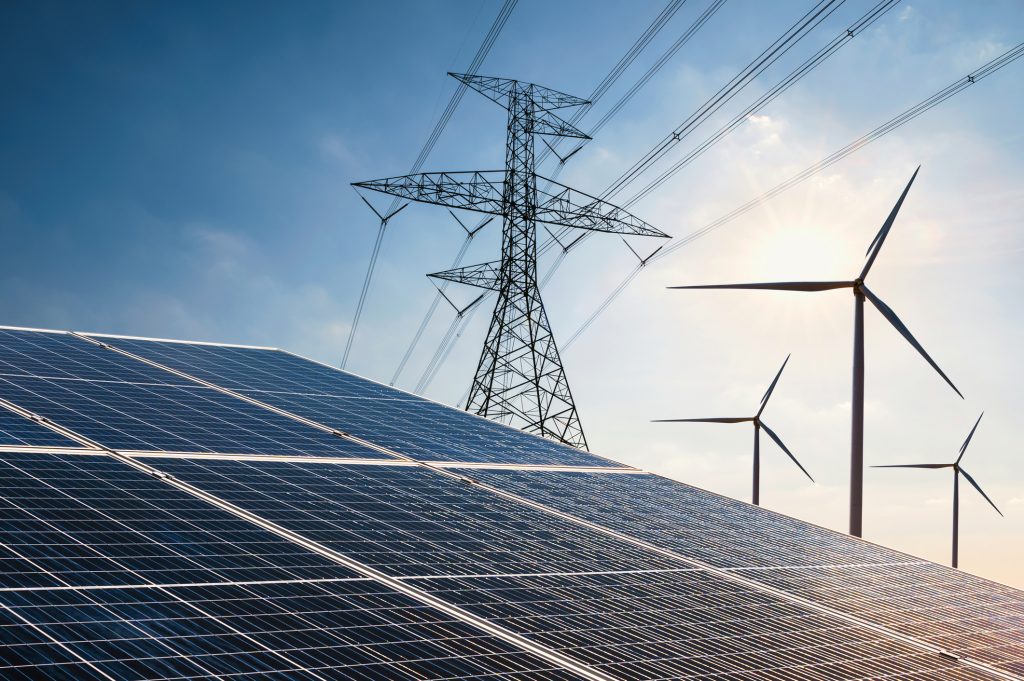
India needs to add roughly 1.37 lakh circuit kilometres of transmission lines and 8,27,600 MVA of transformation capacity by 2035–36 to integrate over 900 GW of non-fossil capacity.³ But renewable projects are being commissioned faster than the grid can absorb them, leading to curtailment. The shift towards inverter-based solar and wind also reduces system inertia, making grid stability more challenging.⁴
At the Conclave, the Racing Ahead, Wired Behind session will examine how transmission planning must evolve alongside changing generation, demand, and technology. It will also explore the role of HVDC, Dynamic Line Rating, FACTS, and digital twins, and the institutional capacity needed to implement more sophisticated planning approaches.
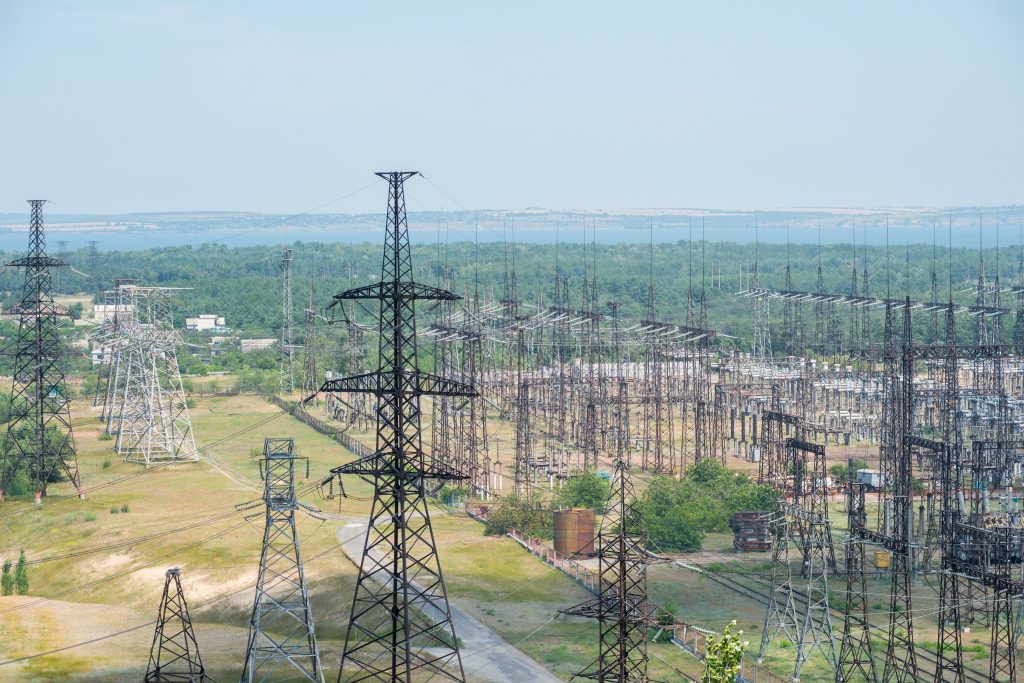
Solar and wind generation vary from seconds to seasons. As renewable penetration grows, India must move beyond using clean power when it is available to ensuring it is reliable when needed. Round-the-clock renewable energy, combining solar, wind, storage, resource diversity, and portfolio optimisation, can bridge this gap.
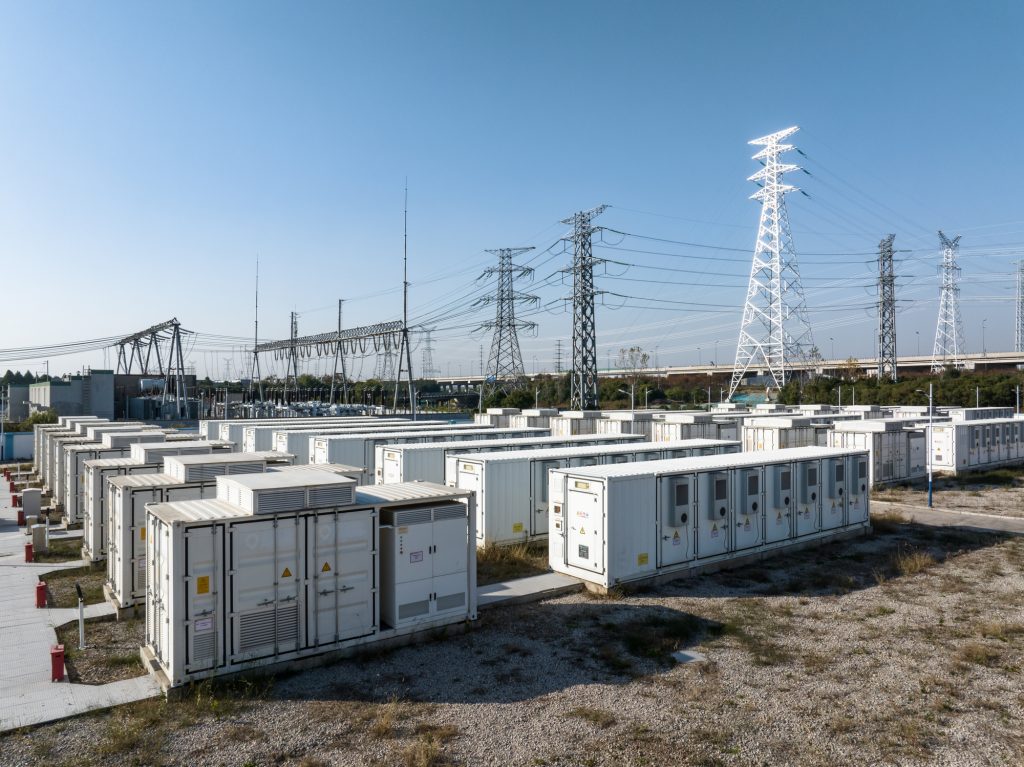
The Sun Down, Power On session will examine how much storage is needed, where it should be located, and what it should provide—from energy and flexibility to peak support and firm, dispatchable power. The panel will also explore how storage can address peak demand, renewable integration, supply gaps, and network constraints, with perspectives from CERC, CEA, SECI, the India Energy Storage Alliance, academia, and industry.
India’s power sector is becoming increasingly complex at the distribution level, as rooftop solar, battery storage, EVs, agricultural solarisation, and smart meters create a more dynamic, two-way grid.
DISCOMs must now integrate distributed renewables, maintain grid stability, reduce carbon intensity, improve financial sustainability, and adopt digital technologies—often without the internal capacity to manage these changes.
The Utility of Tomorrow session at the event will examine what a decarbonised, digitised DISCOM could look like and what it would take to get there. The discussion will cover integrated distribution planning, performance-based regulation, flexibility markets, and tariff design, with perspectives from regulation, DISCOMs, and academia.
The discussion will aim to address one key question: what policy, regulatory, or market reform could have the greatest impact on creating financially sustainable, low-carbon DISCOMs over the next five years?
Generation, transmission, and distribution are driving changes across the power system, shaped by renewable energy, storage, distributed energy resources, electrification, and shifting demand patterns. The models used to plan and operate it must evolve too, becoming more granular, more integrated, and better at handling uncertainty.
The session on Power Systems: A Modelling Perspective brings together CSTEP researchers working across demand forecasting, distribution and transmission planning, electric vehicle integration, energy storage, and renewables to examine what this evolution means for power system modelling.
The panel will explore where data gaps persist; how electrification, distributed generation, and storage are changing the assumptions that models rely on; and how scenario-based and probabilistic approaches can help planners identify investments that remain robust across different possible futures.
The work has already begun—across research, regulatory hearings, state-level planning, data, models, and engineering analysis. The Clean Energy Conclave brings these perspectives together to build a shared understanding of how the pieces of India’s clean power system connect.
The conversations at the Conclave will help shape what the Community of Practice does next to address the challenges ahead. Because building a power system that is clean, reliable, and affordable requires building it together.
CSTEP’s Clean Energy Conclave takes place on 5–6 October 2026 at New Delhi. The event is invite-only. For more details, view our event page: https://cstep.in/events/cstep-clean-energy-conclave/
To participate or refer a peer, write to us at ccec@cstep.in
Sources
In the first blog in ‘The AI shift’ series, we examined what...
With growing electricity demand, renewable energy penetration, and storage requirements, Indian distribution...
In the first blog in ‘The AI shift’ series, we looked into...
Following our photo essay from the field, this blog looks at the...
In this three-part blog series titled ‘The AI shift’, I examine how...
Snow-covered mountains, pristine lakes, green valleys—this is the Kashmir we know. But...