
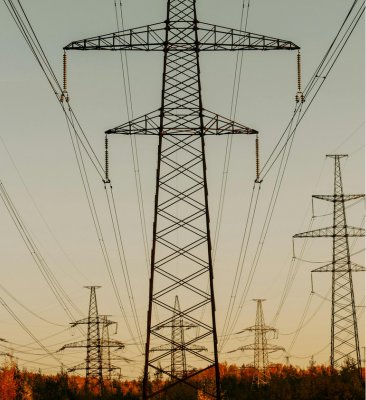
India has made significant strides in its energy transition, achieving 50 percent of non-fossil electricity capacity five years ahead of its 2023 Nationally Determined Contribution target and adding 34.95 GW in 2025-26 alone. However, as renewable penetration increases, grid intergration has moved from a future consideration to a central challenge in the next phase of the transition.
The Union Budget 2026 -27 recognises this shift, moving beyond “vanilla ” wind and solar towards solutions that deliver power when needed. Anchored in resilient macroeconomic fundamentals, the energy transition is framed not only as a climate imperative but also as a driver of industrial growth and employment.
The budget’s message is clear: India’s energy transition has matured. The next phase is not only about more gigawatts; it is about delivering clean power that behaves like a system resource. The increase in storage VGF is a strong start. Whether it becomes a genuine turning point will depend on the follow-through, as well as better contracts, improved markets for flexibility, and a grid and distribution system capable of absorbing and paying for reliable clean energy.
Click here to read the full article
More about publication |
|
|---|---|
| Date | 12 March 2026 |
| Type | Op-eds/Interviews/Press Releases |
| Contributor | |
| Publisher | Powerline |
| Related areas | |
Get in touch with us at
cpe@cstep.in