
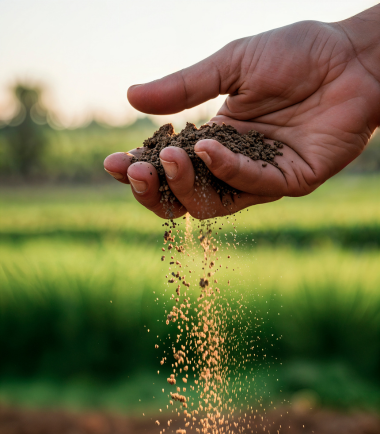
Among India’s most climate-exposed regions, Odisha stands out for both its agricultural heritage and acute vulnerability. More than half its land area is exposed to cyclones, droughts, floods and extreme heat, with climate hazards recorded in 41 of the past 50 years. Nearly two-thirds of the state’s cropped area is rainfed, making agriculture highly sensitive to monsoon variability. While coastal districts face cyclones and flooding, interior regions contend with recurring droughts and intensifying heatwaves. These pressures have depressed yields, heightened food insecurity and pushed farmers into distress, compounded by a long-standing dependence on water-intensive paddy cultivation.
Yet Odisha’s response marks a clear shift from vulnerability to leadership. In recent years, the state has placed climate action at the centre of its agricultural reforms, prioritising climate-smart and regenerative practices. By restoring soil health, diversifying crops, improving water management, and enhancing farmer incomes, Odisha is protecting livelihoods while offering a compelling model of climate-smart development.
The future of food is increasingly understood as regenerative—an approach that restores soils, revives biodiversity, reduces emissions, and builds resilience while sustaining productivity and livelihoods. Odisha was ahead of the curve, embracing this shift well before it gained global traction.
Arabinda Kumar Padhee (Principal Secretary, Department of Agriculture & Farmers’ Empowerment [DA&FE], Government of Odisha) co-authored the article.
More about publication |
|
|---|---|
| Date | 29 December 2025 |
| Type | Op-eds/Interviews/Press Releases |
| Contributor | |
| Publisher | Deccan Herald |
| Related areas | |
Get in touch with us at
cpe@cstep.in