
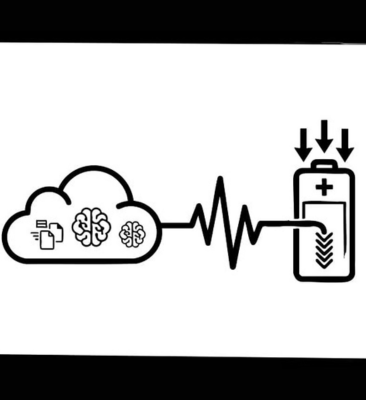
In February, India wrapped up its Artificial Intelligence (AI) Summit with the New Delhi Declaration – a bold vision signed by over 92 countries that commits to using AI in an inclusive, equitable, and socially beneficial manner. Alongside that came something more tangible: announcements of over $200 billion in investments for AI infrastructure and hyper scale data centres.Two days later, on February 23, the city council of Denver, Colorado, proposed a moratorium on new data centres due to mounting pressure on land, energy, and water resources. Denver is not an outlier. Over the last few years, many regions have paused, capped, or restricted data centre development.
Finally, India needs to rethink its incentive structure for data centres. Today, central and state governments offer generous subsidies for AI infrastructure – 20-year tax holidays, capital investment credits, and power tariff concessions. Instead of blanket support, incentives should be tied to performance obligations, such as on-site or local storage, participation in demand-response markets, RE procurement, and progressively lower PUE benchmarks. As small modular reactor technologies scale, this option can also be incorporated.
To capitalise on the AI boom, India must act with intent, building capacity in phases, developing a regulatory framework, and conserving already stressed local resources.
Click here to read the full article
More About Publication |
|
|---|---|
| Date | 13 March 2026 |
| Type | Op-eds/Interviews/Press Releases |
| Contributor | |
| Publisher | Deccan Herald |
| Related Areas | |
Get in touch with us at
cpe@cstep.in