
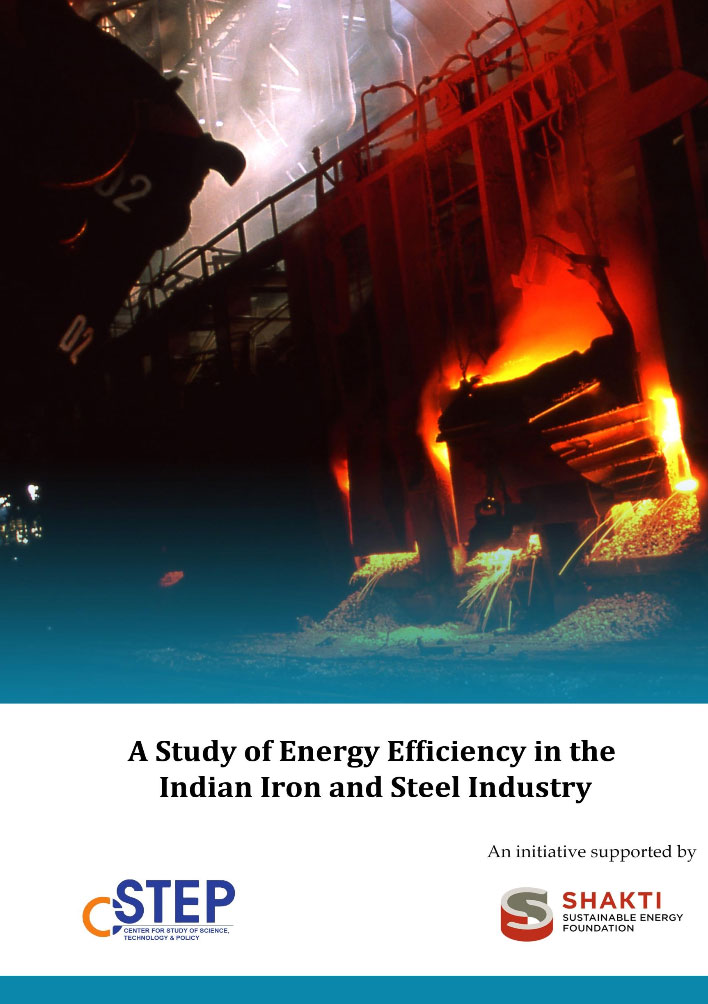
Indian industrial sectors such as Iron & Steel and Cement manufacture products for equitable growth but at the same time consume huge amounts of energy. India’s total final energy consumption was estimated at 449.27Mtoe of which the industrial sectors consumed about 30%. The Iron & Steel sector is one of the most energy-intensive manufacturing industries, consuming about 25% of the total industrial energy consumption (1). The total GHG emissions in India were assessed at 1904.73 MtCO2, and 38% (719.31 MtCO2) and 22% (412.55 MtCO2) were from electricity generation and industry sectors respectively. The Indian Iron and Steel sector contributed to about 117.32 MtCO2 or 6.2%.
Barriers and Challenges in the Indian Steel & Ferro Alloy Industry
The Indian iron and steel industry has been working consistently and contributing to the infrastructure development and economic growth of the country in the face of several barriers and challenges. Some of these can be summarised as follows:
To overcome these challenges, suitable economic policy framework needs to be formulated to facilitate continuous up gradation to best available technology, adoption of energy saving measures with the focus from specific national policy mechanisms such as PAT (40)
More About Publication |
|
|---|---|
| Date | 01 January 2013 |
| Type | Reports |
| Contributors | |
| Publisher | CSTEP |
| Related Areas | |
Get in touch with us at
cpe@cstep.in