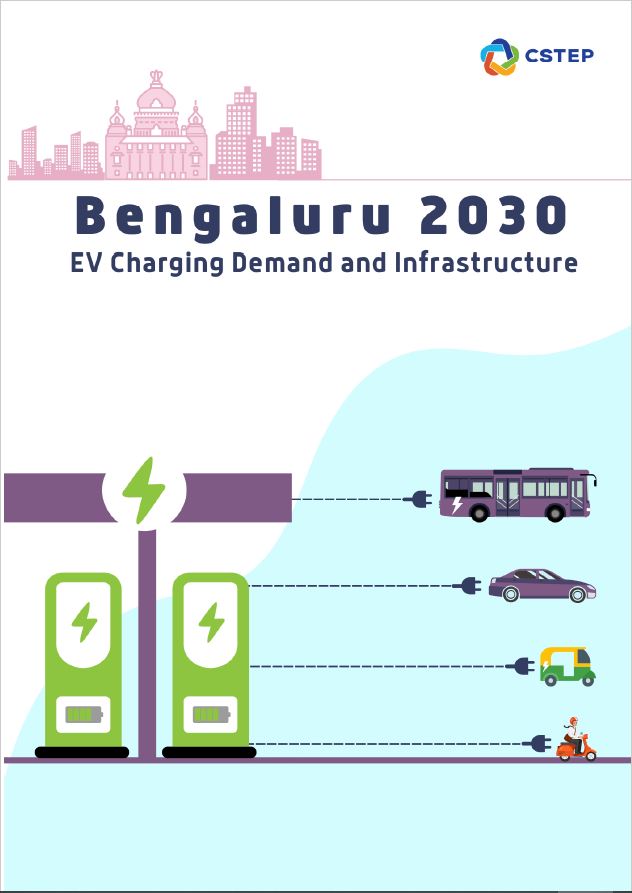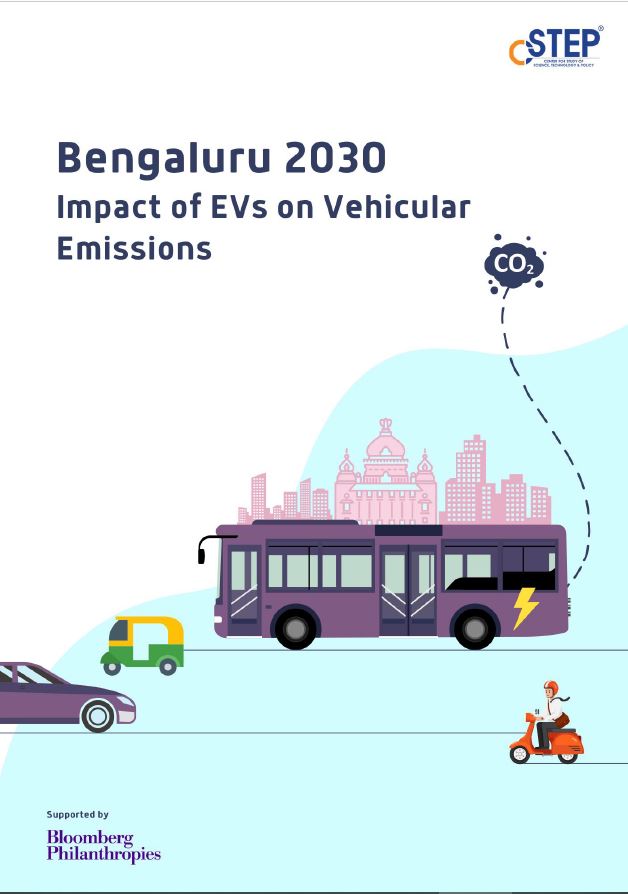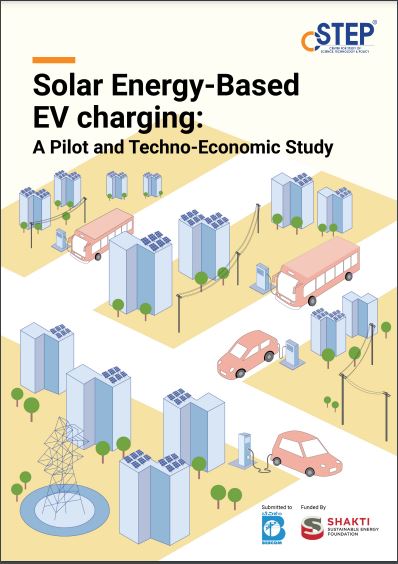

Electric mobility only delivers deep emission reductions when powered by clean electricity. With over 67% of India’s electricity generated from coal in 2025, the emission benefits of electric vehicles will be limited 10%-50% based on the vehicle type. Coupling EV charging with renewable energy, therefore, enhances climate gains in the sector.
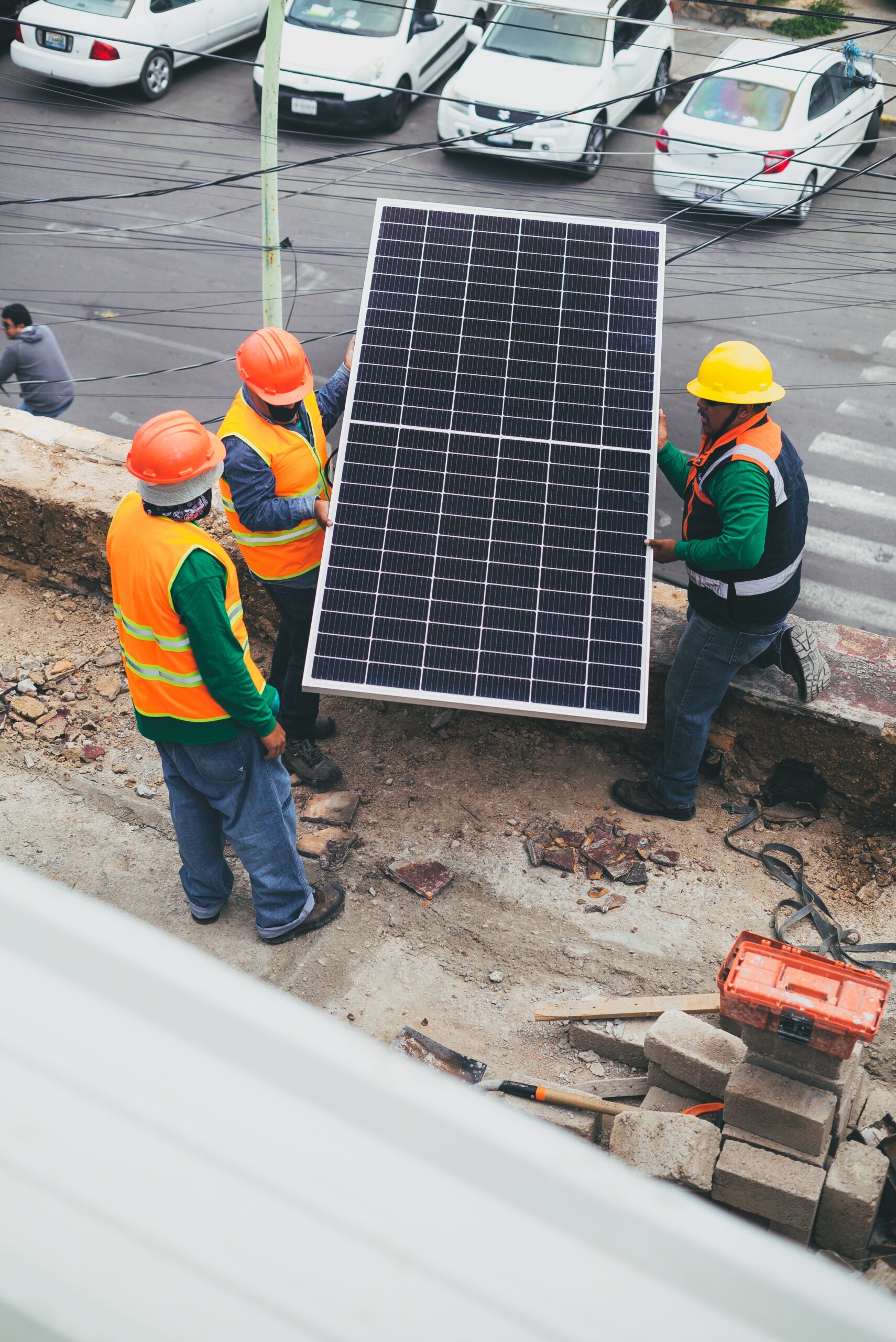
Yet, enabling truly clean charging at scale remains challenging. Constraints such as weak green tariff frameworks, limited open-access provisions for smaller consumers, and financial barriers for rooftop solar or battery storage slow the progress.
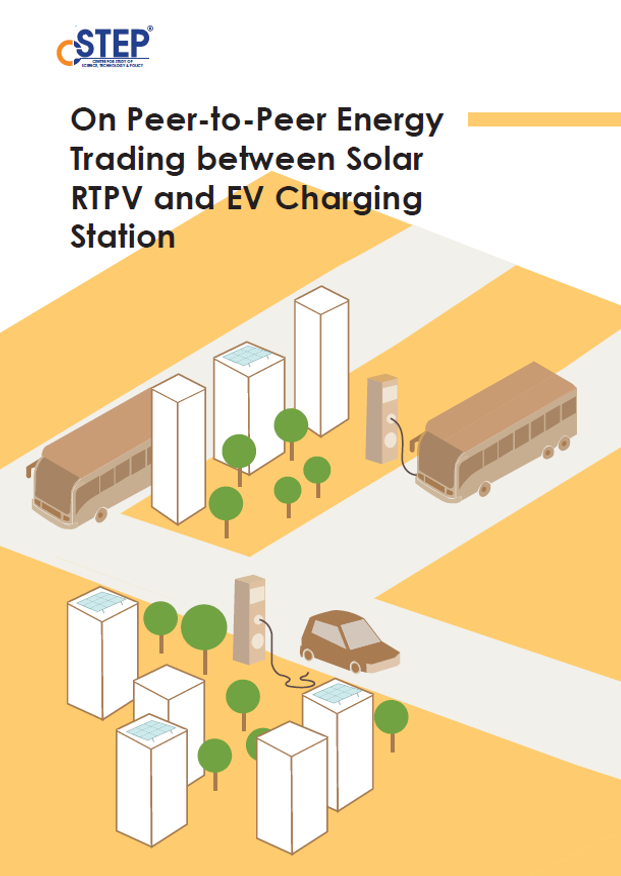
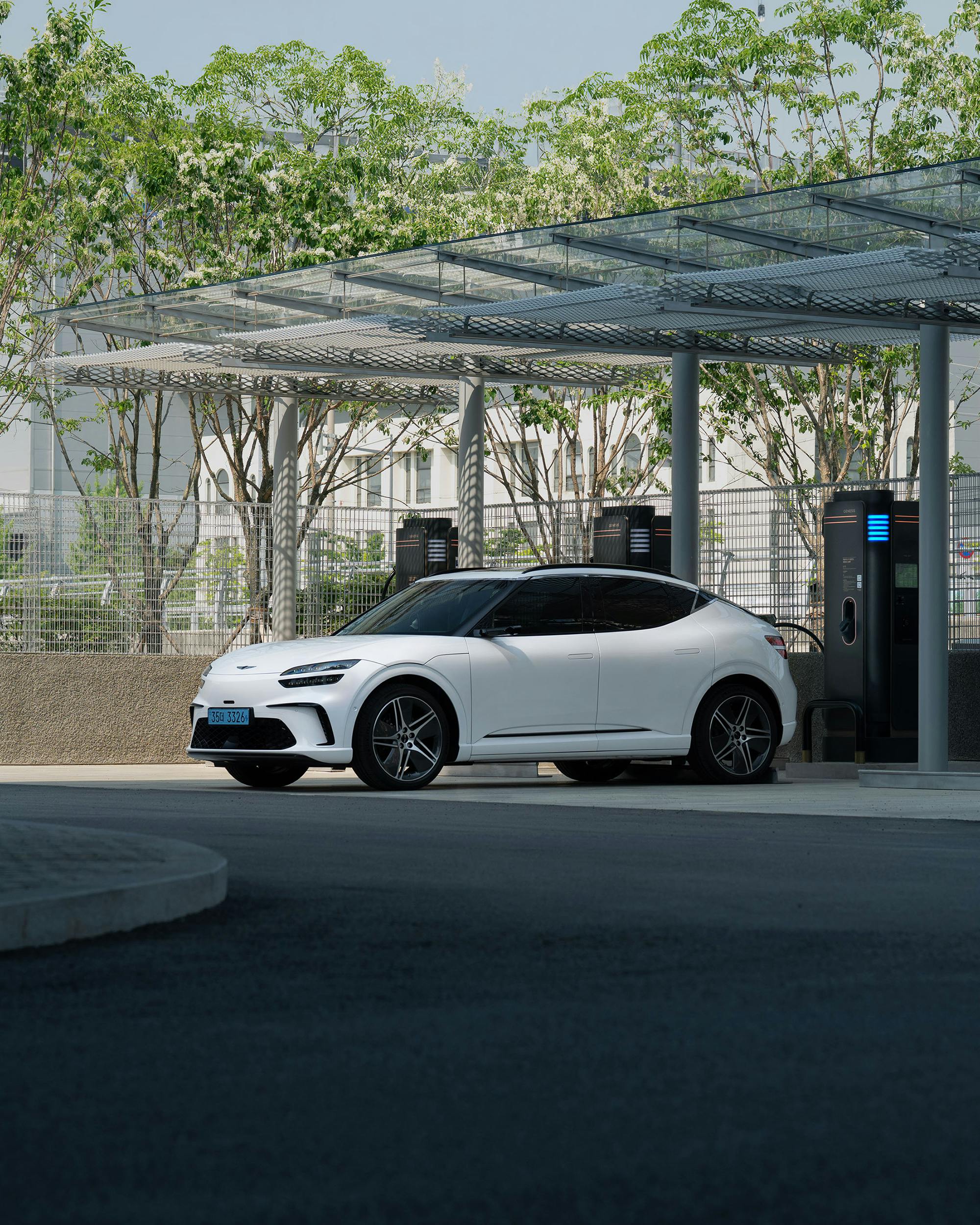
On the other hand, falling renewable energy costs, increasing renewable capacity, and new energy market instruments such as time-of-day tariffs, peer-to-peer energy trading create strong opportunities. Integrating renewable energy generation with smart charging, energy storage, and vehicle-to-grid systems, among other solutions, can match charging demand with renewable energy supply.
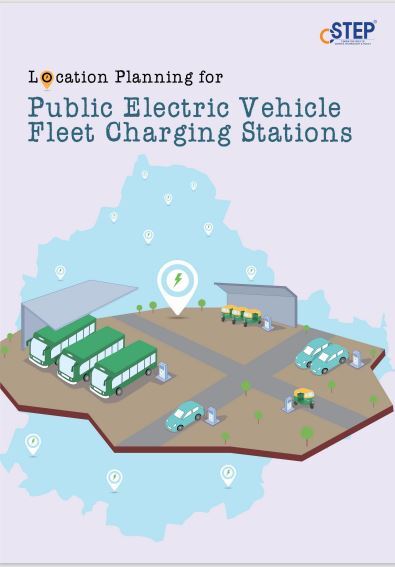
Under this initiative, CSTEP aims to develop proof-of-concepts for scalable renewable energy integrated charging systems through modelling tools, business models assessments, and regulatory engagements.
Policy Imperatives for Long-Term Adoption of Electric Vehicles in India