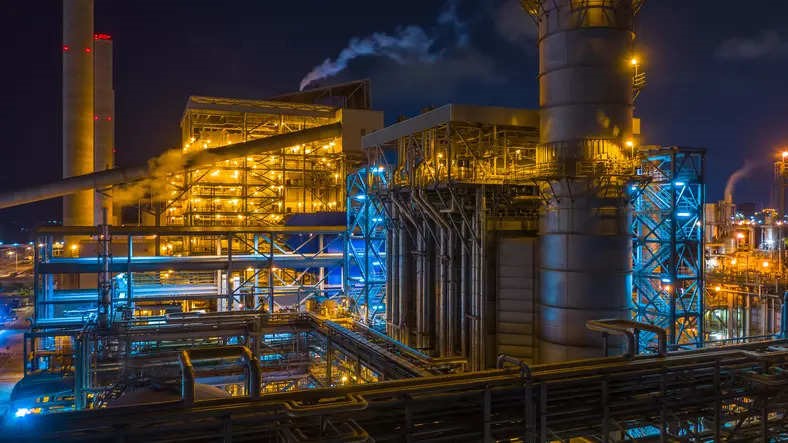


The MSME manufacturing sector accounts for nearly a quarter of India’s total industrial energy use. In most units, over 80 per cent of energy demand arises from process-heat requirements—boilers, furnaces, and dryers—typically powered by coal, pet-coke, or natural gas. This heavy reliance on fossil fuels exposes MSMEs to fuel-price volatility and carbon risks, while adding substantially to local air pollution and national emissions.
Despite existing efficiency initiatives, deep decarbonisation of MSMEs has been limited. CSTEP’s studies address this gap by identifying practical, cost-effective pathways to reduce both energy use and carbon intensity in energy- and emission-intensive clusters.
Approach
CSTEP conducted a two-year scoping study across seven MSME manufacturing clusters representing diverse industrial processes. The analysis combined:
Findings and Recommendations
CSTEP’s research highlights the significant untapped potential for emission and cost reduction in India’s MSME sector through clean energy interventions. Across the assessed clusters, strong opportunities for energy savings and carbon mitigation were identified, with solar-thermal systems emerging as a promising solution for low- and medium-temperature process heat. When combined with heat recovery and efficiency upgrades, these systems can substantially cut fossil-fuel use while improving process reliability and reducing operational costs. However, energy-efficiency measures alone are insufficient; deep decarbonisation requires an integrated approach that includes fuel switching, renewable energy adoption, and advanced technologies, tailored to local economic and technical contexts.
Realising this transition depends on robust policy and ecosystem support. Incorporating emission-reduction targets into state MSME policies, strengthening supply chains for biofuels and clean-thermal technologies, and improving access to rooftop and open-access renewable energy are critical steps. Financial incentives, awareness programmes, and cluster-level demonstration projects can lower investment barriers and showcase viable clean-energy models. Through coordinated action on technology, finance, and policy, MSMEs can play a pivotal role in advancing India’s low-carbon industrial transition.
Impact and Way Forward
CSTEP’s MSME decarbonisation studies provide a strong analytical foundation for scaling clean-energy solutions in one of India’s most dispersed and energy-intensive sectors. By combining ground-level data, techno-economic analysis, and policy insights, this body of work offers an evidence-based pathway to reduce industrial emissions while improving MSME resilience and competitiveness.
Moving forward, scaling the cluster-based approach to more geographies and industries will be key. Demonstration of solar-thermal and hybrid clean-heat systems, coupled with tailored financing and policy incentives, can help unlock large-scale emission reductions in the sector—advancing India’s progress towards its 2070 net-zero goal.