A new policy brief discusses ways to manage power demand in Bengaluru in view of increased EV uptake
With almost 42,73,637 electric vehicles expected to hit Bengaluru roads by 2026–27, the Center for Study of Science, Technology and Policy (CSTEP) analysed its likely impact on the Bengaluru transmission and distribution network. It is estimated that this move towards electric mobility would reduce around 2.3 million tons of CO2 emissions annually in the city. At the same time, the overall city power load is also expected to increase manifold.

The recommendations for demand-side management strategies for distribution companies include “time of day tariff” which encourages consumers to charge their vehicles during off-peak load times, a scheduled tariff system where monthly tariffs are fixed in advance, and green charging stations with solar panels.
In our previous blog in the Measuring the Microns series, we briefly...
In this blog series titled Measuring the Microns, we examine why greater...
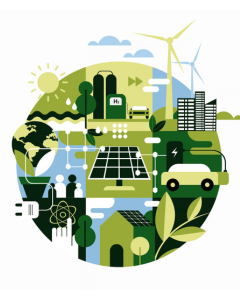
India’s transition to a cleaner power system has moved from a supply...
In the first blog in ‘The AI shift’ series, we examined what...
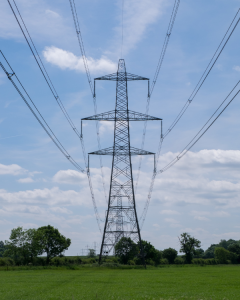
With growing electricity demand, renewable energy penetration, and storage requirements, Indian distribution...
In the first blog in ‘The AI shift’ series, we looked into...