
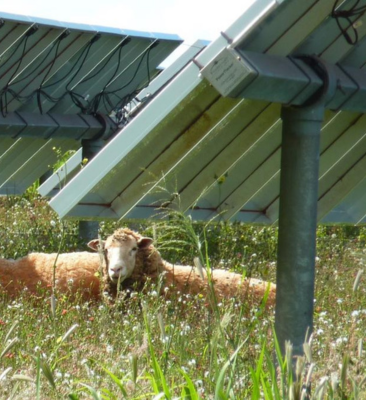
India’s ambitious energy transition goals — to have 300 GW of installed solar capacity by 2030 and achieve net-zero emissions by 2070 — put land at a premium. Utility-scale solar projects require large tracts of land while agriculture is already under pressure from competing land use. Agri photovoltaics can ameliorate this conflict
In the 2026-27 budget, the outlay for the PM-KUSUM scheme nearly doubled to Rs 5,000 crore, signalling the government’s renewed emphasis on increasing solar power production centred on India’s farmers. Specifically, the scheme aims to provide energy and water security to farmers, enhance incomes, and decarbonise the farm sector through decentralised solar pumps and power plants.
Click here to read the full article
More about publication |
|
|---|---|
| Date | 23 March 2026 |
| Type | Op-eds/Interviews/Press Releases |
| Contributor | |
| Publisher | The Hindu |
| Related areas | |
Get in touch with us at
cpe@cstep.in