
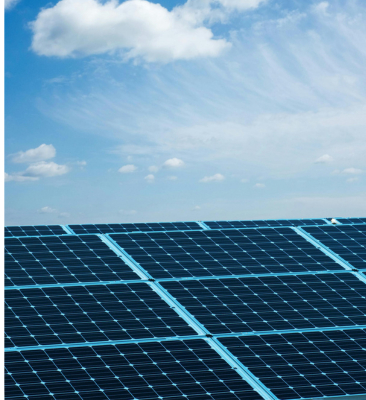
Most Indian cities are urbanising at an unprecedented rate, even as climate change intensifies extreme heat events. Not only is electrical demand rising along with populations and electric vehicles, but cooling loads are also increasing steadily. Given the scarcity of land, planners need to innovate on how to weave decentralised, distributed renewable energy resources into the fabric of the city.
Scaling up these disruptive solutions requires evolving government policies and markets with new business models. Strategic philanthropic capital and ecosystem partnerships will play a critical role in urban energy transitions. Capacity building and data-driven, scientific, and structured approaches need to be undertaken by think tanks, architects, real estate moguls, research institutions, and urban planners.
Derisking finance for these innovations and standardising guidelines and building bylaws for innovative technologies such as BIPV and Urban AgriPV will improve uptake. With the pace at which Indian metros are growing, embedding clean energy generation and climate resilience into the built environment will be an essential pillar of a sustainable urban future.
Click here to read the full article
More about publication |
|
|---|---|
| Date | 2 March 2026 |
| Type | Op-eds/Interviews/Press Releases |
| Contributors | |
| Publisher | India Climate Collaborative |
| Related areas | |
Get in touch with us at
cpe@cstep.in